

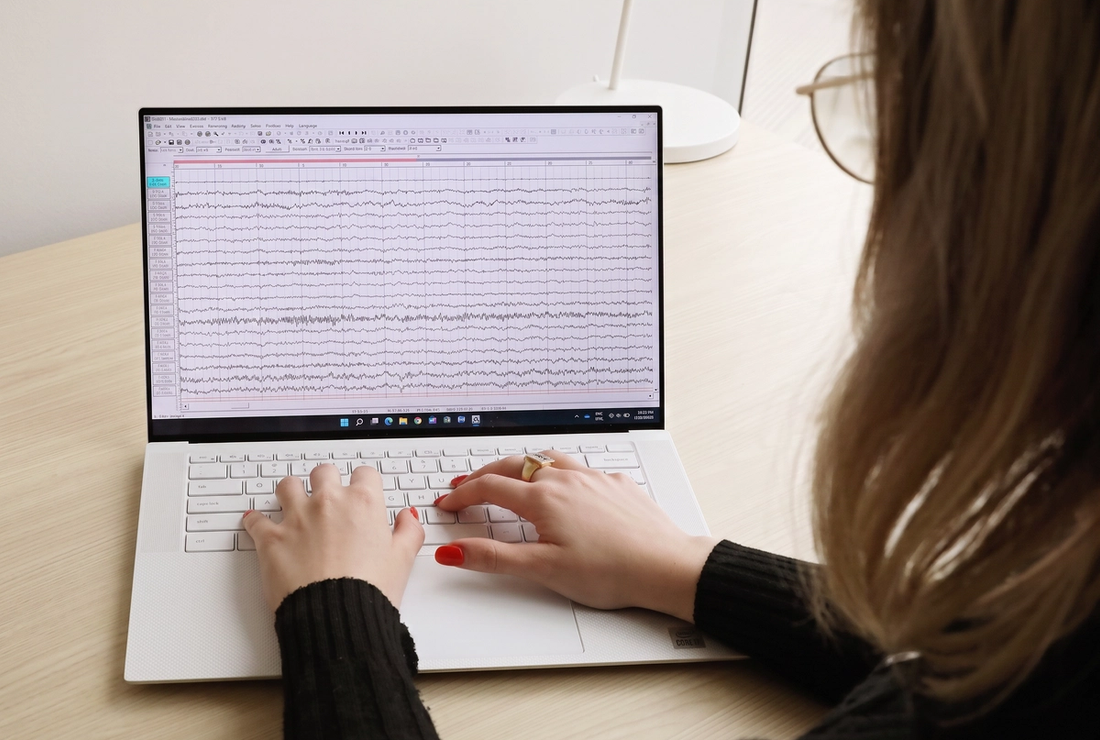
Accurate assessment guides everything else. Our neuropsychologist provides formal cognitive and diagnostic assessments for ADHD, autism, learning disorders and memory concerns, and qEEG brain mapping gives a functional picture of what is happening beneath the surface.
Assessments start with an enquiry so we can match you to the right assessment type and give you accurate fees and timeframes up front.
Who you'll see
The assessments team, and where they practise. Nothing is booked online, so call reception or send an enquiry and they will talk you through who is right for you and what the wait looks like.

Funding
Common questions
What is TMS therapy, and how does it work?
Transcranial Magnetic Stimulation (TMS) is a non‑invasive brain stimulation treatment that may be used for certain mental health conditions, most commonly depression. Magnetic pulses are delivered to targeted brain regions involved in mood regulation. TMS does not require anaesthesia and is performed while you are awake and seated comfortably. Treatment is typically delivered across multiple sessions over several weeks as part of a structured clinical program.
Who may be suitable for TMS treatment?
TMS may be considered for people experiencing depression or other conditions where symptoms have not adequately improved with standard treatments such as medication or psychological therapy. Suitability is determined following assessment with a psychiatrist to ensure the treatment is safe and appropriate for the individual.
What happens during a TMS session?
During a TMS session, a magnetic coil is placed against the scalp and delivers targeted magnetic pulses to specific areas of the brain. Sessions typically last between 3 and 20 minutes, depending on the treatment protocol. Most people are able to return to normal daily activities afterwards. Driving is permitted following treatment.
Is TMS safe?
TMS has been studied in clinical settings and is generally considered safe when delivered by trained clinicians following appropriate screening. As with any medical treatment, suitability and potential risks are assessed before treatment begins. Your clinician will discuss whether TMS may be appropriate for your individual situation.
Can TMS be used while taking medication?
In many cases, TMS may be provided alongside existing medication treatment. Decisions about medication use during TMS are made by the treating psychiatrist based on clinical history, safety considerations and individual treatment goals.
What is treatment‑resistant depression?
Treatment‑resistant depression generally refers to depression that has not adequately improved after at least two adequate trials of antidepressant medication. In these situations, clinicians may consider additional treatment options following further clinical assessment.
Start with an enquiry so we can match you to the right clinician, fees and timeframes. Most services need a referral, and reception will tell you what yours needs.